

Chiropractor
How Spinal Decompression Works for Disc Pressure in Redmond
How spinal decompression works: a computerized table cycles gentle tension and release to ease pressure on an irritated disc and nerves. What a visit involves.
Gentle tension, then release.
A non-surgical option that may help when disc-related pain keeps flaring.
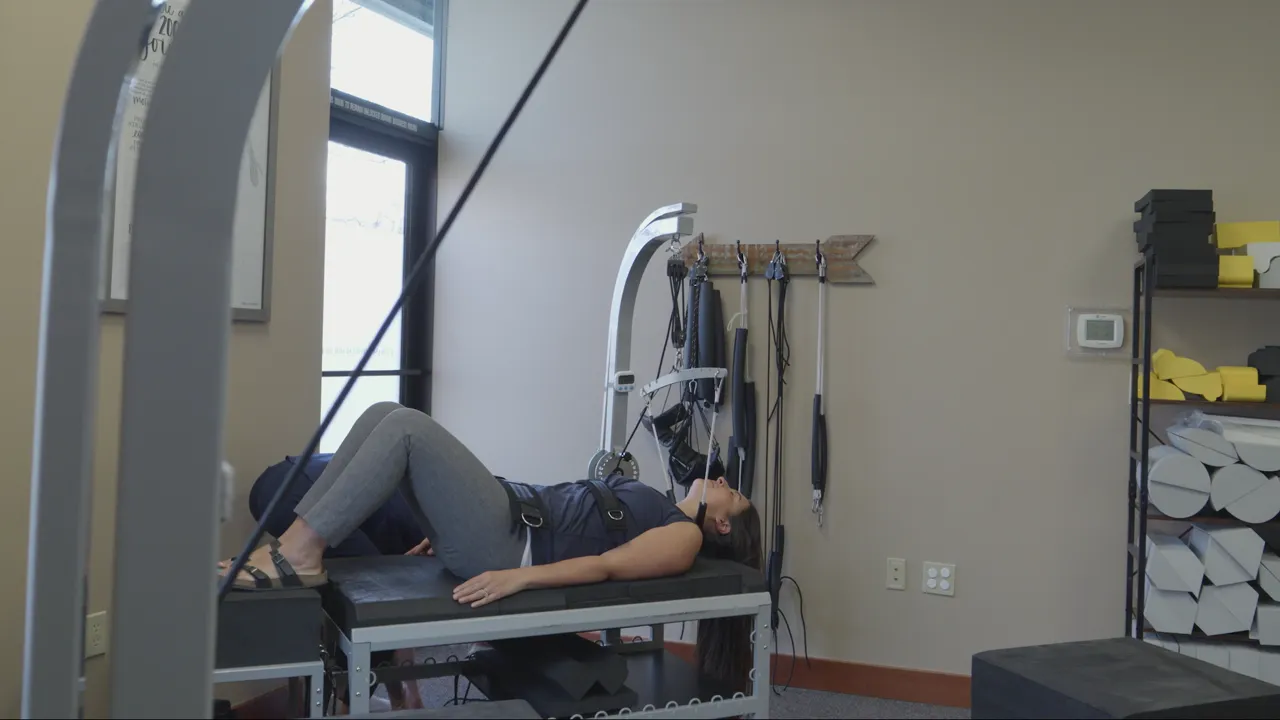
Sound familiar?
Disc pain can change how long you sit, how you train and how you sleep. It can also travel into a hip, a leg, a shoulder or an arm.
Spinal decompression is one part of our chiropractic care for disc and nerve pain.
The short answer
Spinal decompression is a non-surgical treatment for disc-related back and neck pain. A computerized table stretches the spine in gentle cycles, building tension and then letting it go. The goal is to ease pressure on the discs and on the nerves beside them.
A computerized table applies a precise, gradual stretch to your spine.
It cycles between gentle tension and relaxation.
The stretch can target the spinal level most tied to your symptoms.
If decompression does not seem to be helping, tell your provider, because a different treatment may fit better.
Conditions we treat
Decompression is used most here for herniated discs and sciatica.
Deep low back pain tied to an irritated or worn disc.
A bulging or herniated disc can press on a nearby nerve.
Pain, tingling or burning that travels from the low back into the hip or leg.
Considered for disc-related neck pain.
Neuropathy is treated case by case, and some plans include decompression.
Advantages
The table can target a specific spinal level as it stretches and releases.
A plan often starts with X-rays your provider goes over with you.
Decompression, adjustments, rehab and injections happen in one clinic, with one shared plan.
Compare your options
Your exam, and sometimes your imaging, decides which option fits your back.
| Option | What it involves | Often considered when | Worth knowing |
|---|---|---|---|
| Rest and home stretching | Easing off and gentle movement at home | A new or mild flare | Sudden back pain often gets better on its own |
| Chiropractic adjustments | A controlled, hands-on force to one spinal joint | Stiff, irritated spinal joints | Often in the same plan |
| Spinal decompressionWhat we offer | A computerized table that cycles tension and relaxation | Disc-related back or neck pain | Plan length set at your evaluation |
| Surgery | An operation on a disc or the bones around it | Other therapies have not helped | We perform no surgery |
Is it a fit?
Published reference lists name these as reasons to check with us first. Your evaluation decides whether decompression fits.
What to expect
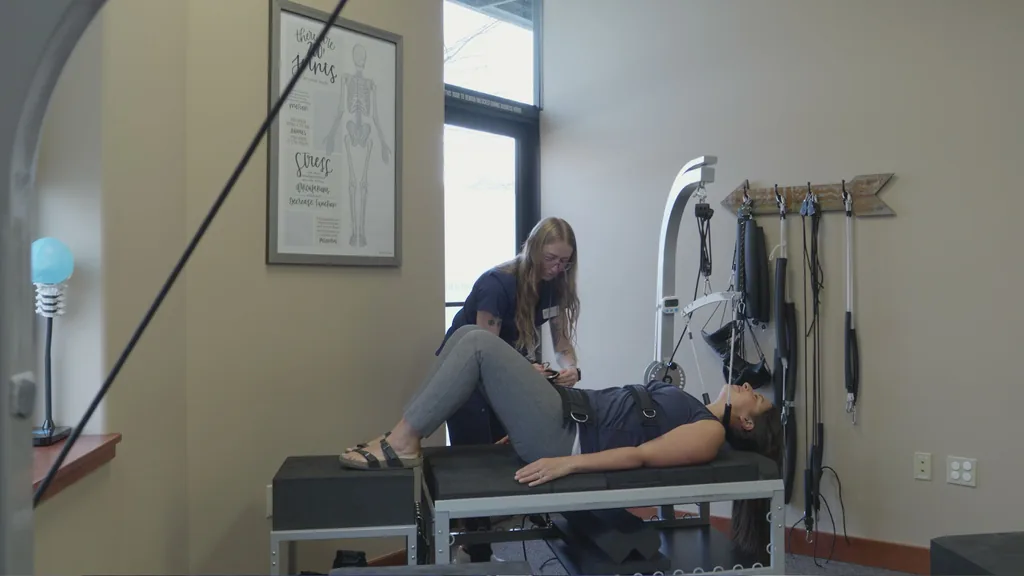
A team member positions you on the clinic's decompression table and fits the harness.
The table builds a mild stretch, holds it, then eases off. Tell the team if a position feels sensitive.
Paying for care
Prices are not posted online.
Your cost follows your plan, so it is set once your evaluation shows what you need.
Your estimate depends on
Your totalReviewed with you at your consultation
Pay over time
Cherry financing lets you pay over time. No hard credit checks.
Ask about payment options
Why Advanced Pain Solutions
The team includes two Doctors of Chiropractic and a family nurse practitioner.
Decompression sits beside adjustments in the care our Redmond chiropractor team provides.
Your care is led by
Dr. Kent Rookstool, DC
Doctor of Chiropractic and founder
Dr. Kent prioritizes taking the time to understand what is driving symptoms so patients can feel confident in both their diagnosis and their plan moving forward.
By the numbers
3
Licensed providers on the team
Patients on decompression and disc care
...Unlike my previous chiropractor that only focused on relieving the pain, APS is focused on fixing the root issues w/ restoration injections, spinal decompression, spinal adjustments, and effective, whole body stretching exercises. I learned I had a pinched nerve which had developed from a minor, herniated disk from 25 years ago....
Staff is very friendly, helpful and easy to work with. It is time consuming but totally worth it. Im only a couple weeks in, but the adjustments, PT, injections, and decompression have given me more mobility and less pain.
Great team of professionals from the front desk to the team thats works with you on each step of way from compression machines to physical exercises to adjustment table....
Individual results vary.
See all reviews on GoogleGetting here
From downtown Bend, the clinic is about 24 minutes (16.6 miles) north on Highway 97. It is also about 5 minutes from St. Charles Redmond.
Named for location only; Advanced Pain Solutions is not affiliated with the places named.
1020 SW Indian Ave Ste 100, Redmond, OR 97756 · (541) 923-6024
Mon to Thu 9 AM to 6 PM
Your first visit
Schedule a consultation. We will evaluate your symptoms, review what you have tried, and explain which options may fit your goals.
Call (541) 923-6024. Mornings or afternoons, Monday to Thursday.
We look at how your pain behaves, what movements trigger it, and what tissues may be involved.
We walk you through what we find in plain language and outline next steps that match your goals.
Questions
Still unsure? Call (541) 923-6024, Monday to Thursday.
The main downside is that it may not work for you, and results differ from one back to the next. It is also not a fit for every spine, so your exam comes before any session.
It varies. A typical decompression plan runs 4 to 16 sessions. The number depends on how severe the problem is, how long the injury has been there, your age and your activity level.
A session typically lasts 30 to 45 minutes. Depending on severity, a first session may be as short as 15 minutes so your body can adjust.
No. The name covers both. Surgical decompression removes bone or disc tissue to take pressure off a nerve. Nonsurgical decompression uses a table to stretch the spine, with no incision.
We offer the nonsurgical kind and perform no surgery.
An inversion table is a type of traction that uses gravity: the table tilts, and your own body weight stretches the spine. It is usually done at home on your own. A decompression table is computer-guided and runs in the clinic.
It depends on the type of surgery, how long ago it was and whether screws or rods were placed. Bring your surgical records and any recent imaging to your evaluation. Your provider reviews them before deciding whether decompression is safe for you, and suggests other options when it is not.
Not always. If you already have an MRI of your back or neck, bring it to your evaluation so it can be part of the decision. Your exam decides whether more imaging is needed before your first session.
Get prompt medical care before any decompression. Published reference lists exclude people with nerve warning signs from non-surgical spinal decompression. They include new leg weakness from nerve damage and signs of pressure on the spinal cord. New problems with bladder or sexual function count too.
From our team
Chiropractor
How spinal decompression works: a computerized table cycles gentle tension and release to ease pressure on an irritated disc and nerves. What a visit involves.
Advanced Pain Solutions
Book an evaluation for your back or neck pain.
Mon to Thu 9 AM to 6 PM · 1020 SW Indian Ave Ste 100, Redmond