

01 · Regenerative first
Regenerative medicine
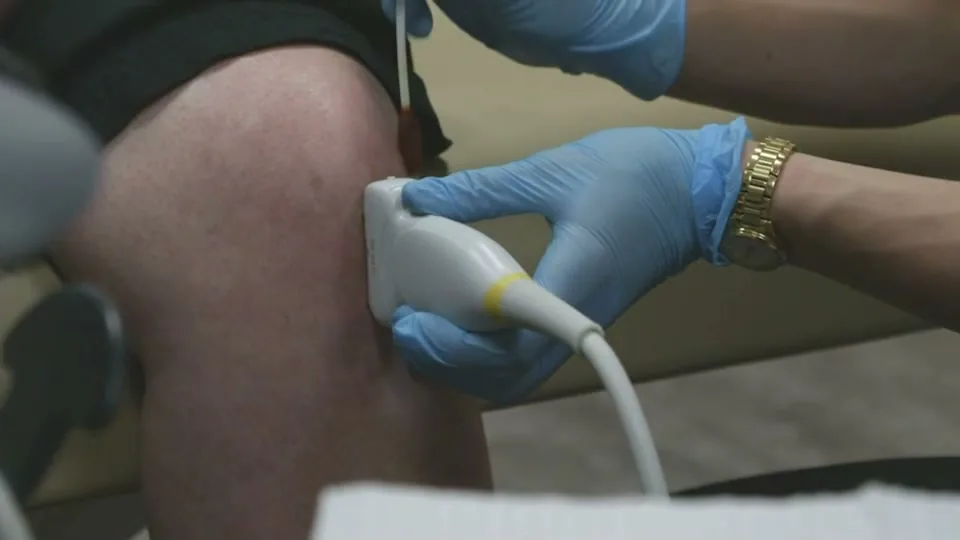
When your exam supports it, regenerative injections such as PRP may be part of the plan. Joint injections here are guided by ultrasound.
About regenerative medicineWhen your knees start deciding your plans.
Swelling after a round, stiffness when you stand up, soreness when you get active again. We find what is stressing the joint, then plan around what you want back.

The short answer
Knee pain in active adults often comes from an irritated meniscus or cartilage, a strained ligament, an overworked tendon or arthritis changes. At Advanced Pain Solutions in Redmond, an exam of the knee, hips and feet shows which of these is driving yours. Care may combine regenerative medicine, focused shockwave, chiropractic care and guided rehab.
Knee pain can start as a small annoyance and become the reason you skip a workout or avoid the stairs. Maybe it is the downhill half of a hike, the back nine or the third game of pickleball.
The exam takes in your hips, your feet and the way you land, climb and turn, and it shapes a plan that can include regenerative medicine for knees, chiropractic care and guided rehab.
What is going on
Your knee relies on cartilage, the meniscus, ligaments and tendons working together. When one of them is irritated, the joint can swell, stiffen and stop gliding smoothly. Knee pain may start suddenly after an injury or exercise, or begin as mild discomfort that slowly gets worse.
A meniscus, a cartilage surface, a ligament or a tendon takes more load than it can handle, from one twist or from thousands of repeats.
Swelling, stiffness and tight muscles guard the knee, and that changes how you walk and climb.
The same tissue keeps taking the stress, so activity sets the pain off again.
An exam, sometimes with an X-ray or an MRI, is how a provider tells which part of the knee is involved.
Guided rehab starts with a functional evaluation that sets a baseline, so your progress is measured against it.
Is this what you feel?
Your list
of 8
Bring your list to the evaluation; it helps us start in the right place.
Book an evaluationWhy it happens
Knee pain can follow one injury or build over months of the same movements, and more than one cause can overlap.
A torn or worn meniscus can make the joint surfaces glide less smoothly. The pain is often felt on the inside or outside of the knee, with catching or swelling after longer walks.
Ligaments keep the knee steady when you pivot, step down or cross uneven ground. A sprain or a tear, such as an ACL or MCL injury, can cause swelling and leave the knee feeling unsteady.
Tendons connect muscle to bone and take a lot of stress in repeated training. Running, hiking, cycling or long descents can inflame them, so soreness builds and flares after activity.
Osteoarthritis wears down the cartilage that cushions the joint. It often means stiffness after sitting and swelling after activity, and fluid from an irritated joint can collect behind the knee as a Baker cyst.
A bursa is a small cushioning sac near the joint. Kneeling for a long time, overuse or a knock can inflame it, which leaves the front of the knee sore and puffy.
How we treat it
Knee pain treatment at our clinic is non-surgical and matched to what your exam finds and the activities you want back. Calming the irritated tissue comes first, then building how the knee and hip handle load. Every part of the plan happens in one clinic, with one team sharing it.
01 · Regenerative first
When your exam supports it, regenerative injections such as PRP may be part of the plan. Joint injections here are guided by ultrasound.
About regenerative medicineWe spin one blood draw in our own centrifuge to separate the platelet-rich plasma, then place it where your plan needs it.
Acoustic pulses from a handheld applicator, with no incisions, needles or anesthesia, for tendon pain that has not settled.
When the hips, feet or spine shift stress into the knee, adjustments work on mobility above and below the joint.
Strength and control for the stairs, hills and courts you care about, coached in the clinic, with exercises to do at home.
Regenerative therapies are not a cure and results vary. Some biologic products discussed here are not FDA approved for this use. Your provider will review options, risks and costs with you.
What to expect
Every knee responds differently.
Your history, an exam and a movement check, with imaging when it is needed.
Guided rehab builds strength and control, with coached exercises in the clinic and more to do at home.
Impact comes back in steps, from flat walks to hills to your sport, as the knee tolerates it.
How long recovery takes depends on the cause, how long the pain has lasted and your general health.
Can it wait?
Do not wait
Go to urgent care or an emergency room, or call 911.
While it settles
If the pain followed a fall or an injury, or any of these signs appear, contact a medical provider or urgent care today. For a severe injury, go to an emergency room or call 911.
Cost and payment
Prices are not posted online.
Your cost depends on what your knee plan includes, such as rehab visits, shockwave sessions or an injection.
In patients' own words
...I came to advance pain barely walking with a bad knee and back and neck . As we proceeded with therapy I am now able play with my grandchildren the way I used to....
...I struggled with intense back and knee pain for years. I first came to APS over a year ago, and I keep coming back because it works. I'm currently going through my second treatment plan and feel better than I have in over 10 years....
Individual results vary.
See all reviews on Google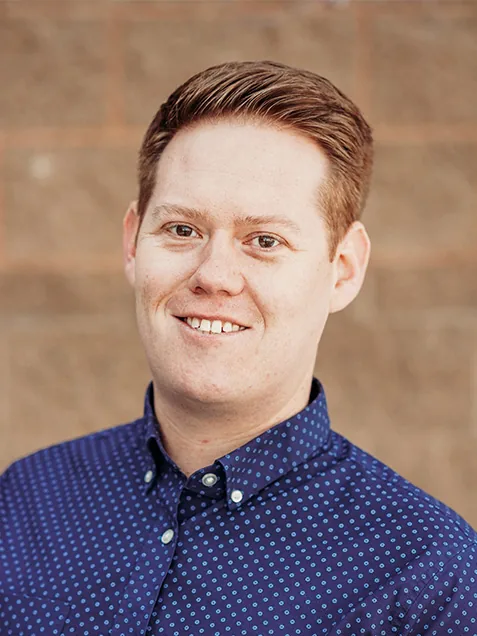
Who you will see
Your knee plan is led by our founder, a Doctor of Chiropractic who works with professional and amateur athletes.
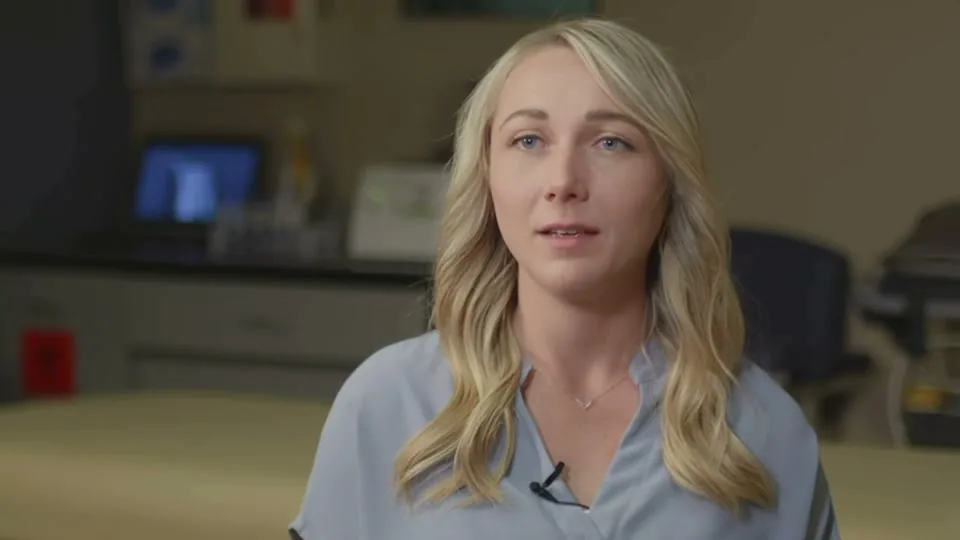
Dr. Kent Rookstool, DC, Doctor of Chiropractic and founder · Summerlyn Ellis, FNP-C, Family Nurse Practitioner
Book a visit with our teamBy the numbers
3
Licensed providers on the team
Getting here
Eagle Crest Resort and its three golf courses are about 13 minutes (6 miles) from the clinic. Smith Rock State Park is about 17 minutes (9.5 miles) north on Highway 97.
1020 SW Indian Ave Ste 100, Redmond, OR 97756 · (541) 923-6024
Mon to Thu 9 AM to 6 PM
Your first visit
Share a brief note about where it hurts, what sets it off and how long it has been going on. We will evaluate your symptoms, discuss your goals, and explain which options may fit.
Call (541) 923-6024. Mornings or afternoons, Monday to Thursday.
We look at how your pain behaves, what movements trigger it, and what tissues may be involved.
We walk you through what we find in plain language and outline next steps that match your goals.
Ignoring pain that does not settle. Pain that lasts past 3 days of home care, or a knee that buckles, clicks or locks, needs a check. While it settles, walk down hills and pick a smooth, soft surface such as a track.
Pain low in the front of the knee often involves the tendon below the kneecap, which running, jumping or long descents can overwork. Pain around the kneecap itself can be patellofemoral syndrome. A meniscus tear is felt more on the inside or outside of the joint.
Rest it and keep it raised as much as you can. On the first day, ice it every hour for up to 15 minutes, then at least 4 times a day. Keep a towel between the ice and your skin. An elastic sleeve can also bring swelling down.
For a new flare, rest it and keep weight off it until the swelling calms. Once it settles, short, flat walks are a gentle way back.
Warm up before exercise and stretch the front and back of your thighs. Swap some running for cycling or swimming, and keep a healthy weight: each extra pound adds about 5 pounds of pressure on the kneecap on stairs. Flat feet may do better with arch supports.
A brace can support the knee on longer walks, during a flare or on the way back to sport while the joint calms down and gets stronger. We fit knee braces at the clinic, including unloader-style braces for knee arthritis and custom bracing.
Advanced Pain Solutions
A focused evaluation and clear next steps, in downtown Redmond.
Mon to Thu 9 AM to 6 PM · 1020 SW Indian Ave Ste 100, Redmond