

01 · Regenerative first
Regenerative medicine
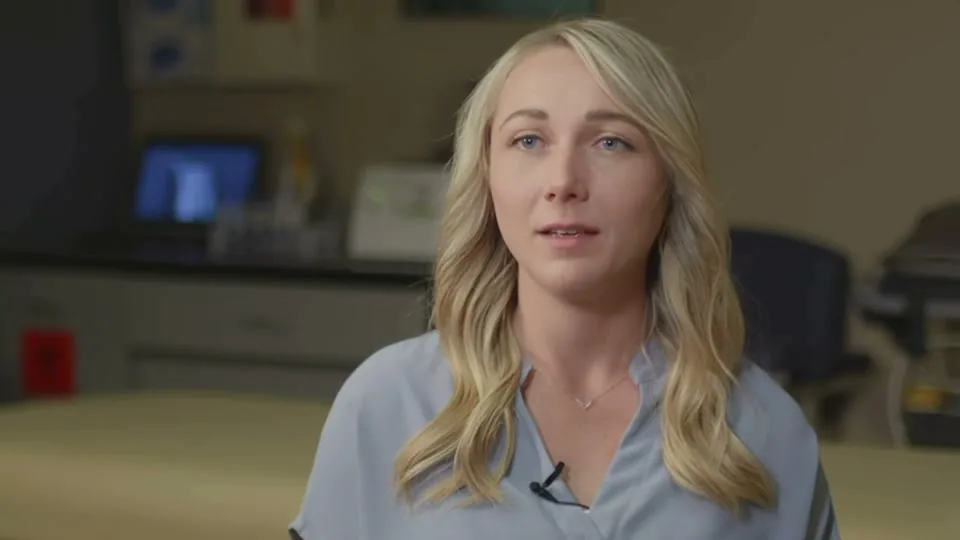
Your provider may discuss regenerative therapies as one part of a neuropathy plan, given here by our nurse practitioner.
About regenerative medicineNumbness and tingling deserve a careful look.
Tingling, burning or numbness in the feet or hands can change how you walk, sleep and keep your balance. We build your care around your exam and your health history.

The short answer
Peripheral neuropathy is damage to the nerves outside the brain and spinal cord. It often brings numbness, tingling, burning or pain in the feet or hands, and it can affect balance. Diabetes is a common cause. Our Redmond clinic plans neuropathy care after an exam.
Neuropathy can make the ground feel uncertain under your feet, turn a buttoned shirt into a chore, or wake you with burning toes at night. You may start watching your feet as you walk.
A plan can include regenerative therapies, focused shockwave, chiropractic care, guided rehab and sometimes spinal decompression. Which of these fit depends on your exam and on what is behind your symptoms.
What is going on
Peripheral neuropathy covers the many conditions that damage the peripheral nerves, the network that carries signals between the spinal cord and the rest of the body. Damaged sensory nerves can cause tingling, pain and numbness, and loss of position sense can affect balance and walking.
A cause such as diabetes, an injury or an infection affects the nerves.
Damaged nerves send weaker, mixed or painful signals.
Numbness and lost position sense make balance and fine tasks harder.
Talk with the doctor who prescribed a medicine before you stop taking it.
Your balance and sensation are noted at your first visit, so your provider can compare them as your plan goes on.
Is this what you feel?
Symptoms depend on which nerves are affected: sensory, motor or both.
Your list
of 8
Bring your list to the evaluation; it helps us start in the right place.
Book an evaluationWhy it happens
Finding the cause matters, because some causes can be managed.
Diabetes is one of the most common causes of neuropathy. Diabetic neuropathy often starts as numb, tingling or burning feet, and keeping blood sugar in a safe range may ease the symptoms.
Car accidents, falls, sports injuries and medical procedures can injure nerves. A nerve squeezed at the wrist, as in carpal tunnel syndrome, or near the spine can also bring numbness and tingling.
Shingles, Lyme disease and some other infections can attack nerve tissue. Lyme disease can cause nerve symptoms within a few weeks of the infection.
Some chemotherapy drugs and other medicines can affect the nerves, though not everyone who takes them develops neuropathy. Heavy alcohol use and other toxins can damage nerves too.
Smoking, high blood pressure and narrowed arteries reduce blood flow to the nerves. Tumors sometimes press on nerve fibers, one more reason a new pattern of numbness deserves a medical check.
How we treat it
Neuropathy care at our Redmond clinic is planned case by case after your provider examines you. A plan can combine focused shockwave, chiropractic care, guided rehab, regenerative therapies and sometimes spinal decompression.
01 · Regenerative first
Your provider may discuss regenerative therapies as one part of a neuropathy plan, given here by our nurse practitioner.
About regenerative medicineA handheld applicator delivers acoustic pulses from outside the body, with the intensity set as you go.
Adjustments for the spine and joints when your exam shows they are part of what you feel.
Balance, strength and walking exercises, coached in the clinic, with a home program in between.
Sometimes added when a disc may be pressing on a nerve: a computerized table stretches the spine in gentle cycles.
Regenerative therapies are not a cure and results vary. Some biologic products discussed here are not FDA approved for this use. Your provider will review options, risks and costs with you.
What to expect
Treatment depends on the type and location of nerve damage, so every plan is different.
We review your medicines and health conditions, and your provider examines you.
The treatments your plan includes, plus foot care and safety habits at home.
Coached strength and balance exercises, continued at home between visits.
Nerves change slowly, and how yours respond depends on the cause.
Can it wait?
Do not wait
Go to urgent care or an emergency room, or call 911.
While it settles
Go to a hospital or call 911 for any of these. Contact a provider soon if numbness has no clear cause, or if numbness in your legs gets worse when you walk.
Cost and payment
Prices are not posted online.
Your cost depends on which treatments your plan includes and how many visits it takes.
In patients' own words
...When I began, because of the neuropathy in my feet, I could not feel my feet, I couldn't wiggle my toes, I could not do the things we as humans take for granted. With the support of the staff at the clinic, I have gotten much of my life back....
Individual results vary.
See all reviews on Google
Who you will see
Your neuropathy plan brings our team together. Our founder and a second Doctor of Chiropractic lead it, our nurse practitioner gives any injections, and medical assistants coach your rehab.
Dr. Kent Rookstool, DC, Doctor of Chiropractic and founder · Summerlyn Ellis, FNP-C, Family Nurse Practitioner
Book a visit with our teamGetting here
Culver is about 28 minutes from the clinic and Madras about 48 minutes, both by Highway 97.
1020 SW Indian Ave Ste 100, Redmond, OR 97756 · (541) 923-6024
Mon to Thu 9 AM to 6 PM
Your first visit
Share a brief note about where it hurts, what sets it off and how long it has been going on. We will evaluate your symptoms, discuss your goals, and explain which options may fit.
Call (541) 923-6024. Mornings or afternoons, Monday to Thursday.
We look at how your pain behaves, what movements trigger it, and what tissues may be involved.
We walk you through what we find in plain language and outline next steps that match your goals.
Peripheral neuropathy is a common cause, and diabetes is one of its most common sources. Injuries, pressure on a nerve, infections, some medicines and heavy alcohol use are others. A nerve pinched near the spine can also send tingling into a leg or foot.
Your sensory nerves tell your brain where your feet are. When they are damaged, you can lose that position sense, which makes it harder to walk on uneven ground or keep your balance in the dark or with your eyes closed. Balance and strength exercises can help you stay steady.
Check your feet every day for cuts, redness, swelling, sores or blisters, even if they feel fine. Wear shoes and socks or slippers, even indoors, and choose shoes that fit well. See a provider promptly for any open sore on your foot, especially if you have diabetes.
Yes. Carpal tunnel syndrome is pressure on a nerve at the wrist, and it can bring numbness and tingling into the hand. A splint that holds the wrist in position can reduce the pressure on the nerve while it heals.
Yes. Neuropathy can affect the hands as well as the feet, and it can make buttons, small objects and your grip harder to manage. Your exam checks where the nerve trouble starts, including the neck, and your plan is built around what it finds.
It starts with questions about your symptoms, your work, alcohol use and family history, then a neurological exam that often checks how you feel touch, vibration and temperature. Blood tests can look for diabetes or vitamin deficiencies, and electromyography with a nerve conduction study measures how well nerves and muscles work.
Advanced Pain Solutions
A careful exam of your feet, hands and balance.
Mon to Thu 9 AM to 6 PM · 1020 SW Indian Ave Ste 100, Redmond