

01 · Chiropractic first
Spinal decompression
Gentle tension, then release. A computerized table cycles a gradual stretch through the spine and can target a specific spinal level.
About spinal decompression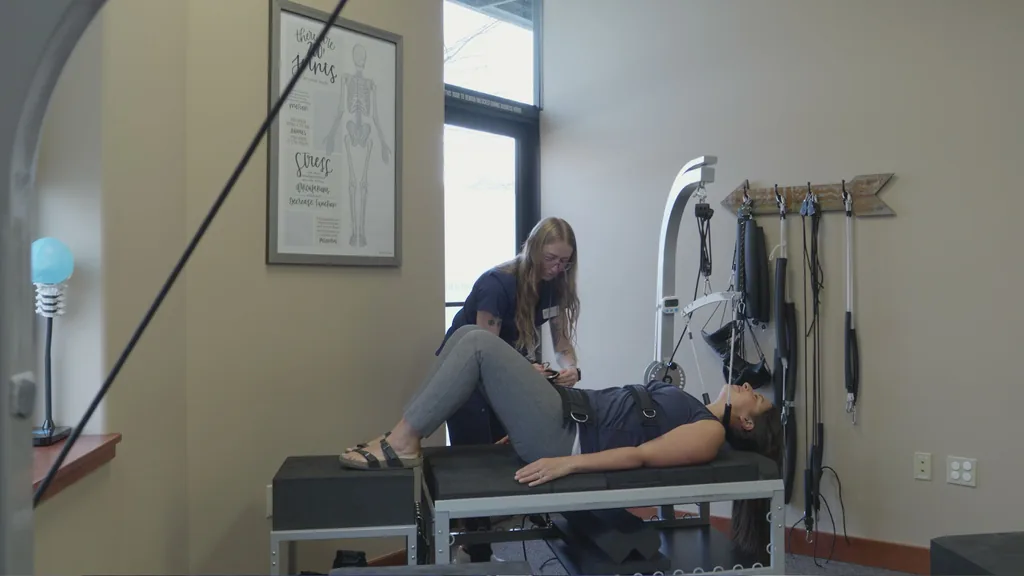
When one disc starts running your whole day.
Pain down one leg, a back that tightens when you sit, numbness that comes and goes.
The short answer
A herniated disc happens when part of a spinal disc pushes through a weak spot and presses on nearby nerves. It most often affects the low back, then the neck, causing pain, numbness or weakness in a leg or arm. In Redmond, our clinic usually builds care around spinal decompression, with chiropractic care and guided rehab.
A herniated disc can turn a long drive, bending to tie a shoe or a night's sleep into hard work. Coughing or sneezing may send a jolt down the leg.
Your plan can then include spinal decompression for a herniated disc.
What is going on
Discs sit between the vertebrae, cushioning the spine and letting you bend and reach. When all or part of a disc is forced through a weakened area, it can press on a nerve root or the spinal cord. That pressure causes pain, numbness or weakness along the nerve.
Strain, heavy lifting or years of bending and twisting stress the outer wall of the disc.
The disc bulges or breaks through and presses on a nearby nerve.
Pain, tingling or weakness travels where that nerve goes, often down one leg or one arm.
A careful exam and history come first, and imaging is added when the exam calls for it.
When a plan includes Chiropractic BioPhysics, digital X-rays set a baseline and a target, so change can be tracked.
Is this what you feel?
Where you feel it depends on which disc is involved: a low back disc affects the leg, a neck disc the arm.
Your list
of 8
Bring your list to the evaluation; it helps us start in the right place.
Book an evaluation
The dashed line: where leg pain travels
Why it happens
Most herniated discs follow strain on the spine, and several everyday habits raise the risk.
A disc can move out of place or break open after an injury or a strain. It often follows a bout of strenuous activity, such as a heavy day of yard work or a hard workout.
Lifting heavy objects is a common risk factor for a herniated disc, especially with poor lifting form. Jobs with heavy lifting can also make it easier to hurt the back again later.
Bending or twisting the low back or the neck over and over, at work or in sport, adds stress to the same discs day after day and can weaken them over time.
Sitting or standing in the same position for hours raises the risk. So does an inactive lifestyle, since weak core muscles give the spine less support.
Discs break down over time, which is called degenerative disc disease. Extra body weight adds to the strain on them, and smoking can reduce blood flow to the spine.
How we treat it
Herniated disc treatment in our clinic usually centers on spinal decompression, a non-surgical option, paired with chiropractic care and rehabilitation. Trigger point injections can be added for tight muscles, and the plan is chosen from what your exam finds. Every part of it happens in one clinic, with one team.
01 · Chiropractic first
Gentle tension, then release. A computerized table cycles a gradual stretch through the spine and can target a specific spinal level.
About spinal decompressionAdjustments work on spinal joints that are stiff or not moving well, above and below the sore disc.
Digital X-rays measure your spinal angles and posture.
A small amount of local anesthetic mixed with saline, placed into a tight knot in a muscle.
Coached exercises that strengthen the muscles supporting your spine, with a home program to keep going.
What to expect
Recovery from a herniated disc usually comes in stages.
Cut back on activity, then slowly restart your usual routine.
Exercise can start again, gradually, with coached strength and flexibility work.
Rehab builds the muscles that support your spine, and you learn how to lift, bend and dress with less strain.
Getting back to every activity can take several months to a year or more.
Pain, numbness and weakness often improve a lot over weeks to months.
Can it wait?
Do not wait
Go to urgent care or an emergency room, or call 911.
While it settles
Losing bladder or bowel control, or weakness that is getting worse fast, needs an emergency room or 911. For the other signs, contact a medical provider today.
Cost and payment
Prices are not posted online.
Your cost depends on how many decompression sessions and other visits your plan includes, which is set after your exam.
In patients' own words
The work I've had at Advanced Pain Solutions has changed my life! I got the most relief from them out of any model of treatments I've had in the past 10 years. Including C6-C7 microdiscecromy ....
Individual results vary.
See all reviews on Google
Who you will see
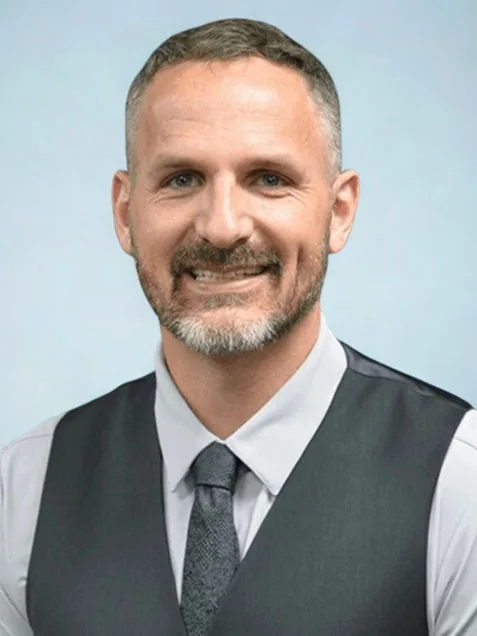
Two Doctors of Chiropractic, including our founder, guide the spinal side of your care.
Dr. Kent Rookstool, DC, Doctor of Chiropractic and founder · Dr. Kevin Lewis, DC, Doctor of Chiropractic
Book a visit with our teamBy the numbers
3
Licensed providers on the team
Getting here
Culver is about 28 minutes from the clinic and Madras about 48 minutes, both on Highway 97. Tumalo, between Bend and Redmond, is about 20 minutes away.
1020 SW Indian Ave Ste 100, Redmond, OR 97756 · (541) 923-6024
Mon to Thu 9 AM to 6 PM
Your first visit
Share a brief note about where it hurts, what sets it off and how long it has been going on. We will evaluate your symptoms, discuss your goals, and explain which options may fit.
Call (541) 923-6024. Mornings or afternoons, Monday to Thursday.
We look at how your pain behaves, what movements trigger it, and what tissues may be involved.
We walk you through what we find in plain language and outline next steps that match your goals.
Heavy lifting or twisting your back too soon. Avoid both for the first 6 weeks after the pain starts. Ignoring warning signs is just as risky: numbness, weakness, or bladder or bowel changes need prompt care.
Yes. A disc in the low back can make walking more than a short distance painful, often with sharp pain in the leg, hip or buttock on one side. Bending backward can make it worse too. An exam of strength, reflexes and feeling shows which nerve is involved.
Neither for too long. Sitting or standing in one position for hours can make disc pain worse, while short periods of gentle walking keep you moving. Change position often, and break up long drives with short stops.
Yes. A herniated disc in the neck tends to cause pain when you move your neck, along with pain or numbness that runs toward the arm and fingers.
Not always at first. When imaging is needed, an MRI or CT shows where the disc presses on the spinal canal, and an X-ray alone cannot diagnose a herniated disc.
A brace can support the spine, and it may help prevent injury if you lift heavy objects at work. Wearing one too much can weaken the muscles that support your spine, so keep it for set tasks. We fit back braces at the clinic.
No. Published reference lists rule it out during pregnancy and with a spinal fusion or hardware in the spine, a spinal fracture, tumor or infection, advanced osteoporosis or an abdominal aortic aneurysm. They also name severe spinal stenosis, a slipped vertebra, past back surgery and a blood thinner among the reasons to check first.
Advanced Pain Solutions
Spinal decompression, chiropractic care and rehab under one roof.
Mon to Thu 9 AM to 6 PM · 1020 SW Indian Ave Ste 100, Redmond