

01 · Sports medicine first
Focused shockwave therapy
Acoustic pulses aimed at the sore tendon from outside the body, with the intensity adjusted as you go.
About focused shockwave
An elbow that aches at every grip.
Pain on the inside or outside of the elbow that flares when you grip a club, a paddle or a tool. Your exam finds which tendon is involved and what care fits.
The short answer
Two common causes of elbow pain are golfer's elbow, on the inside, and tennis elbow, on the outside. Both involve forearm tendons strained by repeated gripping and wrist motion in golf, pickleball, lifting and trade work. Our Redmond clinic plans elbow care after an exam, and it may combine focused shockwave, guided rehab and regenerative injections such as PRP.
Elbow tendon pain tends to build over weeks. It shows up when you shake hands, turn a doorknob, carry a bag or take the club back, and it can make a weak grip feel weaker.
Your exam checks the tendon and the motion that sets it off. For stubborn tendon pain, focused shockwave for elbow pain can be part of the plan, alongside forearm strengthening.
What is going on
Golfer's elbow and tennis elbow are both problems of the tendons that join the forearm muscles to the bony bumps of the elbow. Golfer's elbow, or medial epicondylitis, affects the inside. Tennis elbow, or lateral epicondylitis, affects the outside. Both come from repeated, forceful use of the wrist and fingers.
The same grip or wrist motion repeats for long periods on many days.
Small tears and wear build up where the tendon attaches to the bone.
Pain follows gripping and lifting, and grip strength drops.
Tell your provider about any numbness or tingling into the ring and little fingers, which can come with golfer's elbow.
Guided rehab starts with a functional evaluation, so your provider has a baseline to compare as your plan goes on.
Is this what you feel?
Note which side hurts and what movements set it off.
Your list
of 8
Bring your list to the evaluation; it helps us start in the right place.
Book an evaluation
Where it hurts: the elbow
Why it happens
You do not have to play golf or tennis to strain these tendons.
Swinging with poor form, skipping the warm-up or playing with old, heavy clubs can strain the tendons on the inside of the elbow. Lighter clubs and a coach's check of your form lower the strain.
Tennis and pickleball load the forearm on every shot, and both are common causes of elbow tendon strain. Your racket or paddle, your grip size and your technique all affect how much strain reaches the tendon.
Curling the wrists during a biceps curl, or lifting with a bent, loose wrist, overloads the elbow tendons. Keeping the wrist straight and firm when you lift spreads the load.
Painters, plumbers, carpenters and others who grip and turn tools all day strain the forearm muscles. Auto workers and cooks get tennis elbow more often than the general population.
Muscles that are weak or out of condition pass more strain to the tendon. Being 40 or older, smoking, diabetes and extra body weight also make golfer's elbow more likely.
How we treat it
Golfer's elbow treatment at our clinic begins with an exam of the inner elbow, your forearm and your grip. Easing off the motion that provokes it comes first. A plan can then add focused shockwave, regenerative care such as PRP and guided rehab that rebuilds forearm strength.
01 · Sports medicine first
Acoustic pulses aimed at the sore tendon from outside the body, with the intensity adjusted as you go.
About focused shockwaveA small draw of your own blood, spun here to concentrate the platelets, then placed at the tendon your exam points to.
If your exam supports it, our nurse practitioner talks through the regenerative options for a tendon that has not settled.
Grip and wrist-flexor strengthening, coached in the clinic and continued at home.
Regenerative therapies are not a cure and results vary. Some biologic products discussed here are not FDA approved for this use. Your provider will review options, risks and costs with you.
What to expect
Tendons heal slowly, so your plan builds in steps.
An exam of the elbow, your grip and the motion that hurts, with your sport or work in mind.
Start the treatments your plan includes.
Coached forearm and grip exercises in the clinic, with a home program between visits.
A gradual return to golf, pickleball or lifting.
Tendons often take months to settle, and the timeline depends on how long your elbow has hurt.
Can it wait?
Do not wait
Go to urgent care or an emergency room, or call 911.
While it settles
Get medical help right away for any of these. For an elbow that aches but works, book an exam if the pain has not improved with rest and ice.
Cost and payment
Prices are not posted online.
The cost depends on the treatments in your plan and the number of visits.
In patients' own words
...They are incredibly courteous, attentive, prompt in getting me on their calendar, through, and truly target the areas of need on my back, neck, and even left elbow that have been hampering me for years of sporting and office work injuries....
Individual results vary.
See all reviews on Google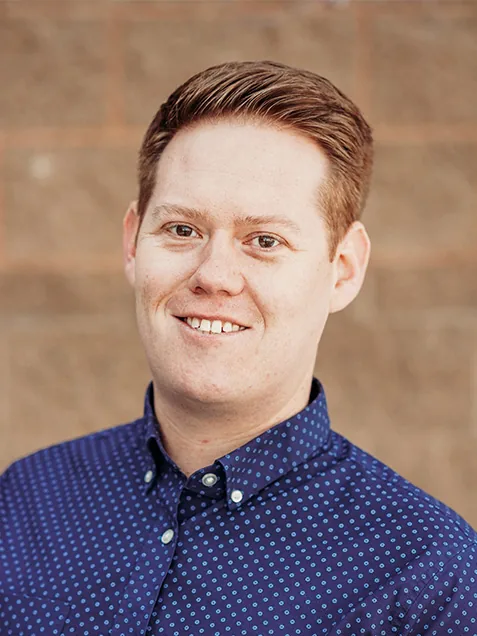
Who you will see
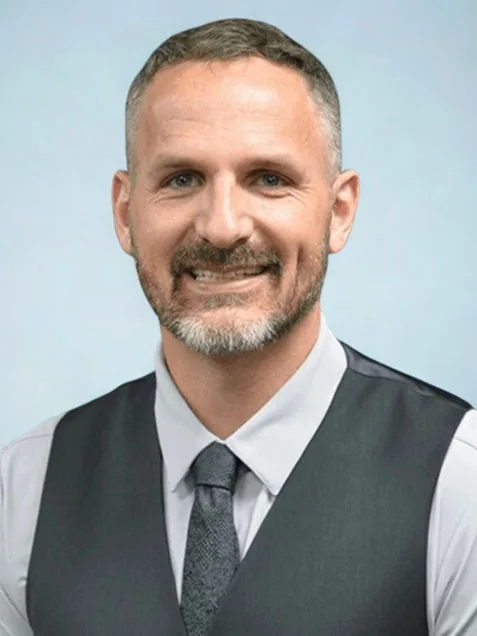
Your elbow plan is overseen by a Doctor of Chiropractic who works with professional and amateur athletes. Injections are given by our nurse practitioner, and the strengthening is coached by our medical assistants.
Dr. Kent Rookstool, DC, Doctor of Chiropractic and founder · Dr. Kevin Lewis, DC, Doctor of Chiropractic
Book a visit with our teamGetting here
From downtown Sisters, the clinic is about 30 minutes (19.6 miles), almost all of it on Highway 126.
1020 SW Indian Ave Ste 100, Redmond, OR 97756 · (541) 923-6024
Mon to Thu 9 AM to 6 PM
Your first visit
Share a brief note about where it hurts, what sets it off and how long it has been going on. We will evaluate your symptoms, discuss your goals, and explain which options may fit.
Call (541) 923-6024. Mornings or afternoons, Monday to Thursday.
We look at how your pain behaves, what movements trigger it, and what tissues may be involved.
We walk you through what we find in plain language and outline next steps that match your goals.
Do not push through the pain. Playing or working on a sore elbow can make golfer's elbow worse. Avoid curling your wrists when you lift, skipping your warm-up, and heavy, older clubs. Keep the wrist straight and firm when you carry or lift, and stop the activity when the elbow starts to hurt.
There is no single shortcut, and tendons heal on their own timetable. The usual course is to ease off the motion that provokes it, then strengthen the forearm and correct your grip or swing.
After an exam, your plan may add focused shockwave or regenerative injections such as PRP. How long recovery takes varies with how long the elbow has hurt and how steadily you do the home exercises.
Medial epicondylitis is the medical name for golfer's elbow. The pain comes from overuse or injury of the muscles and tendons that bend the wrist and fingers, where they attach to the bony bump on the inside of the elbow. Repeated, forceful wrist and finger bending, done for long periods on many days, is the usual cause.
They are related but on opposite sides. Tennis elbow, or lateral epicondylitis, affects the tendons on the outside of the elbow that straighten the wrist and fingers. Golfer's elbow affects the inside. Either one can happen to golfers, tennis and pickleball players, and people in the trades.
Yes. Racket sports, pickleball included, are a common cause. Poor technique, too much topspin, or a paddle that is too heavy or has the wrong grip size adds strain. A forearm-strengthening routine and the right paddle grip help protect the tendon.
Advanced Pain Solutions
Your exam covers both sides of the elbow and your grip.
Mon to Thu 9 AM to 6 PM · 1020 SW Indian Ave Ste 100, Redmond